



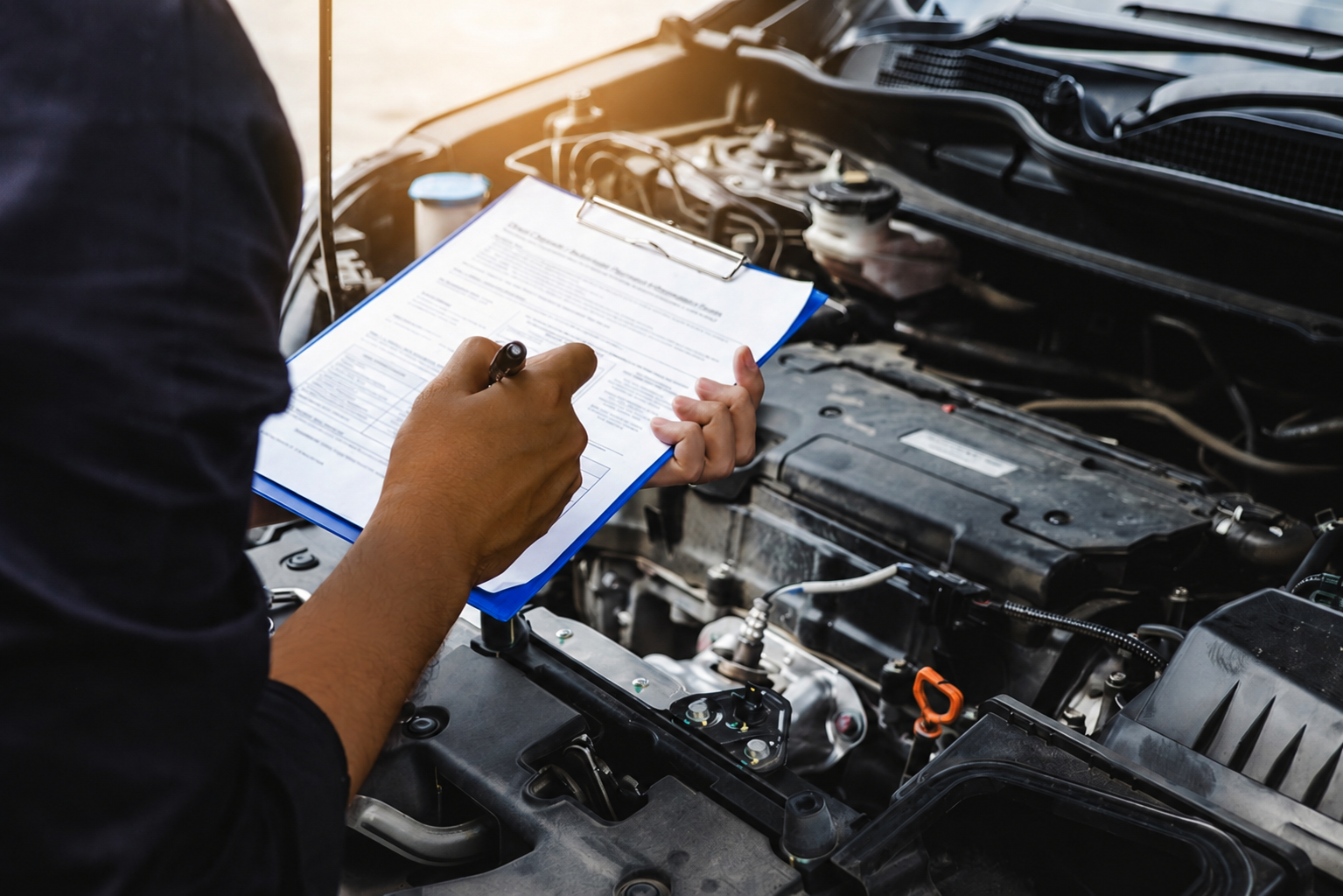
Saint Lucia is a place where vehicles play an important role in daily life, whether for commuting, business, tourism, or family transportation. However, many drivers only pay attention to their vehicles when a problem appears. Proper car maintenance is one of the best ways to extend the lifespan of a vehicle, reduce repair costs, improve fuel efficiency, and increase safety on the road. Understanding what lies beneath the hood can help owners identify small issues before they become expensive mechanical failures.
One of the most important components to monitor is the engine. Often referred to as the heart of the vehicle, the engine requires regular care to operate efficiently. Drivers should frequently check the engine oil level using the dipstick and ensure it remains between the minimum and maximum marks. Oil lubricates internal engine components, reduces friction, and prevents excessive wear. Driving with low or dirty oil can lead to overheating, reduced performance, and even catastrophic engine damage.
Another critical fluid is the coolant or radiator fluid. The cooling system regulates engine temperature and prevents overheating, especially during long drives or hot weather conditions. Vehicle owners should inspect coolant levels regularly and ensure there are no visible leaks around hoses, the radiator, or the water pump. While some older vehicles may use water in emergencies, manufacturers generally recommend the proper coolant mixture to provide corrosion protection and optimal temperature control.
The brake fluid, transmission fluid, power steering fluid, and windshield washer fluid should also be inspected periodically. Low fluid levels may indicate leaks or mechanical problems that require immediate attention. Keeping all fluids at their recommended levels helps maintain vehicle reliability and performance.
Drivers should also pay close attention to the belts and hoses located under the hood. Rubber components naturally deteriorate over time due to heat, age, and constant use. Cracked, brittle, or swollen hoses can lead to coolant leaks and engine overheating. Likewise, worn serpentine belts or timing belts may fail unexpectedly, potentially causing severe engine damage. Regular inspections can help identify these issues before they become serious.
Unusual sounds should never be ignored. Squealing noises may indicate worn belts, grinding sounds can point to brake issues, and knocking noises from the engine may signal internal mechanical problems. Paying attention to new vibrations, rattles, or warning lights can save drivers significant repair expenses in the future.
For vehicles equipped with a carburetor, proper maintenance remains important even though modern vehicles primarily use fuel injection systems. A clean carburetor helps ensure smooth engine operation, efficient fuel delivery, and reliable starting performance. Dirt buildup or clogged passages can result in rough idling, poor fuel economy, and reduced power.
The battery is another component that deserves regular attention. Corroded battery terminals can affect electrical performance and starting reliability. Drivers should periodically inspect terminals for corrosion and ensure battery connections remain secure. Most automotive batteries have a lifespan of three to five years, depending on usage and environmental conditions.
Air filtration is equally important. A clean engine air filter allows proper airflow into the combustion chamber, improving fuel efficiency and engine performance. A clogged filter forces the engine to work harder and can increase fuel consumption. Replacing the air filter according to the manufacturer's recommendations is a simple but effective maintenance task.
Checking for fluid leaks underneath the vehicle should become a regular habit. Oil spots, coolant puddles, transmission fluid stains, or brake fluid leaks can indicate developing mechanical issues. Addressing leaks early often prevents more extensive repairs and potential safety risks.
In addition to engine-related components, drivers should inspect windshield wipers, lights, tire pressure, and tire tread depth regularly. Properly inflated tires improve handling, braking performance, and fuel economy while reducing uneven tire wear. Functional lights and wipers are essential for safe driving during adverse weather conditions.
Preventive vehicle maintenance is far less expensive than major repairs. A few minutes spent checking fluid levels, belts, hoses, and engine components can prevent breakdowns and help maintain the value of your vehicle for years to come. Whether you drive a compact car, SUV, pickup truck, or commercial vehicle, routine inspections under the hood are among the smartest investments any vehicle owner can make.
For more automotive maintenance tips and vehicle ownership guides, visit our blog. You can also explore related articles about engine care, fuel efficiency, and preventive vehicle maintenance. What maintenance tasks do you consider most important for keeping your vehicle reliable? Share your thoughts and experiences in the comments.


