
For drivers in Saint Lucia, choosing the right tires is about much more than finding a good price. Tires are the only part of a vehicle that directly touches the road, so their condition affects braking, handling, stability and fuel efficiency. Before buying new tires, drivers should consider the vehicle, local roads, weather conditions and the way the car is normally used. A few simple checks can make a significant difference to safety and tire life.
1. Choose the Correct Tire Size
One of the first things to check when planning a tire replacement is the size recommended by the vehicle manufacturer. Tire markings contain important information about width, aspect ratio, construction and wheel diameter. The recommended specification can normally be found on the driver's door sticker or in the owner's manual.
Using a different size without confirming that it is an approved alternative can affect handling, ride quality, fuel consumption and the accuracy of systems such as the speedometer. The tire's load rating and speed rating are also important because they indicate the weight and speed limits for which the tire is designed.
2. Think About How You Drive
Not every tire is designed for the same conditions. A driver who mainly travels around Castries and other urban areas may have different requirements from someone who regularly travels on rural roads, highways or rough surfaces. When selecting new tires, consider how many kilometers you normally drive, whether you frequently carry passengers or luggage, and whether your vehicle is used for long trips. A tire designed for touring may prioritize comfort and road efficiency, while another model may place greater emphasis on traction and durability.
For drivers in Saint Lucia, weather should also be part of the decision. Tropical conditions can bring periods of heavy rain, making good wet-road grip and effective water evacuation particularly important.
3. Check the Tread and Overall Condition
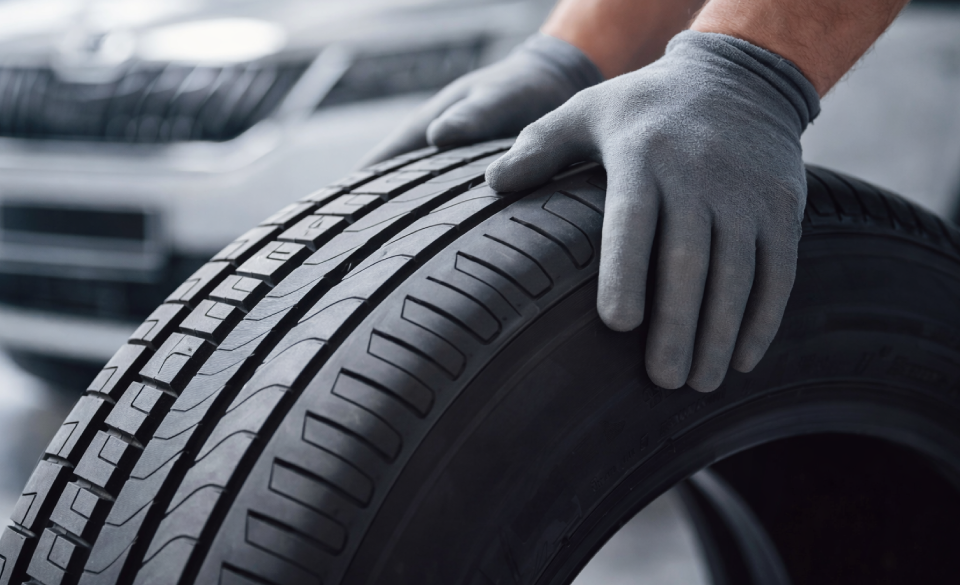
Tire replacement should not be based exclusively on mileage. The condition of the tread and sidewalls is equally important. Look for uneven wear, cuts, cracks, bulges or other visible damage. A bulge can indicate internal structural damage and should not be ignored. Tread-wear indicators are another useful reference. When the tread reaches the level of these indicators, the tire has reached its wear limit and should be replaced. Uneven wear can also indicate alignment, suspension or inflation problems rather than simply an old tire.
4. Do Not Ignore Alignment and Balancing
Installing new tires is an excellent opportunity to check wheel alignment and balancing. Poor alignment can cause the tread to wear unevenly and may cause the vehicle to pull to one side. An imbalance can produce vibrations, particularly at certain speeds. If you notice a vibrating steering wheel, unusual tire wear or difficulty keeping the vehicle traveling straight, have the wheels and suspension inspected. Correct wheel alignment and balancing can help the tires wear more evenly and contribute to better handling.
If only two tires need to be replaced and the other two remain in suitable condition, professional tire specialists may recommend placing the newer tires on the rear axle to help maintain stability, particularly on wet roads.
5. Tire Pressure Matters Every Day
Even the best new tires will not perform properly if they are incorrectly inflated. Tire pressure should be checked regularly and preferably when the tires are cold. The recommended pressure is normally listed on the vehicle's door placard or in the owner's manual. Underinflation can increase rolling resistance, heat buildup and uneven wear, while incorrect inflation can affect handling and braking. Drivers should also remember that the maximum pressure printed on the tire sidewall is not necessarily the vehicle manufacturer's recommended operating pressure.
The Long-Term Value of the Right Tires
Choosing new tires should be viewed as an investment in safety rather than simply another vehicle expense. The correct size, suitable design, proper inflation, regular inspections, alignment and balancing can all contribute to longer tire life and predictable vehicle behavior. For motorists researching tire maintenance in Saint Lucia, it is also worth having a professional inspect the vehicle when replacing tires. Problems with suspension components, steering or alignment can otherwise cause expensive premature tire wear.
A good set of tires cannot eliminate every road hazard, but proper selection and maintenance can give drivers better control when conditions become difficult. The right tire is the one that matches the vehicle, the road and the way you actually drive.
Would you replace all four tires at once, or would you change only the worn pair when the remaining tires are still in good condition? Share your experience and continue exploring vehicle maintenance and automotive information on the Saint Lucia automotive blog.